Imagine a microfinance agent inputting a client's complete file into an artificial intelligence (AI). Income, account numbers, credit history – everything is there. The tool responds in seconds. But one question remains unanswered: what happens to this information once it's sent? Is it stored? Read by someone? Reused elsewhere?
The same scenario plays out at the hospital, prefecture, or university, with a patient record, student copy, or payslip. This article helps you ask the right questions before using AI at work, even if digital technology isn't your field.
Recent articles

Rio Tinto accelerates five mining startups, the proof remains to be seen

Offshore: Oxy and Valaris awarded, HSE AI must remain human

MOL solar and battery branch, the cost remains to be proven
 Certificate
Professional Certificate in Business Intelligence with Excel and Power BI
What is it, concretely?
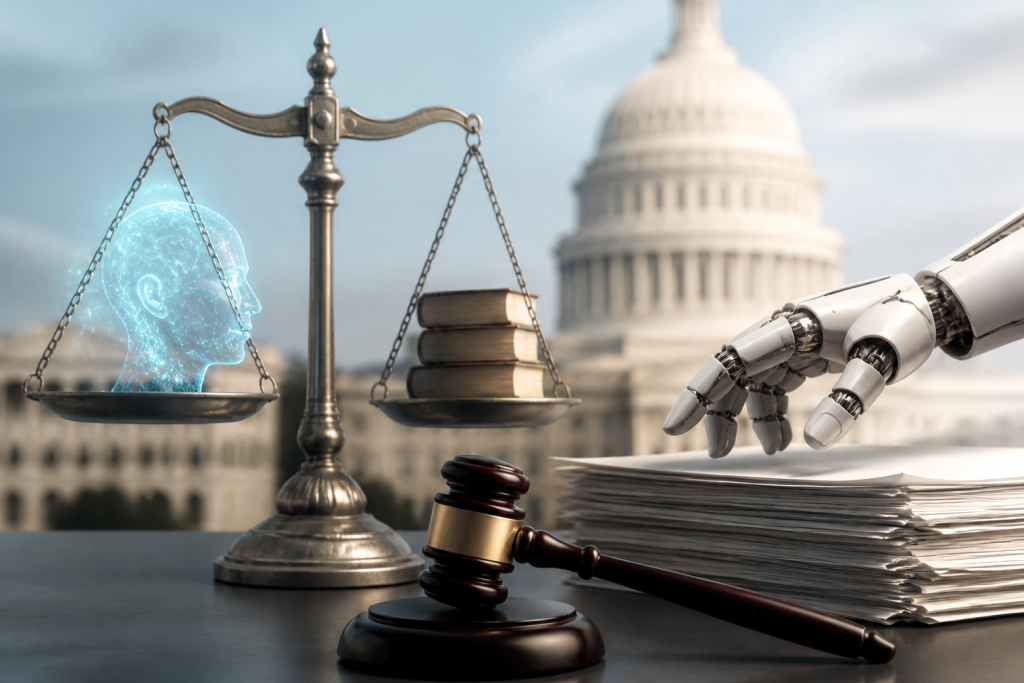
Ensuring that an AI protects your data means making sure that what you entrust to it will not be used, stored, or shared beyond what you have agreed to. Unlike software installed on your computer, an online AI often processes your texts on remote servers, sometimes abroad, and may keep a record of your exchanges. Before sending a sensitive file (client list, salaries, medical records, student records), ask yourself four simple questions: who has access to it, how long it is kept, if the data can leave the country, and if it is used to train the tool. You don't need to be a computer scientist to do this well.
Concrete case: what to do and what not to do
Questions to Ask Before Acting
- Do these data allow the identification of a person (name, phone number, photo, ID number, account, grade, medical record)?
- Do I really need to send this information to the AI, or can I anonymize it?
- Does the provider clearly indicate if my data is used to improve their tool?
- How long is the data kept? Can we request its deletion?
- Who can access it (supplier, subcontractors, internal administrators, other users)?
- Where is the data stored or transferred?
- Does my organization and the applicable law permit this use?
UNIVGA Viewpoint
Sources
- Business Data Privacy, Security, and Compliance | OpenAI
- Artificial Intelligence Risk Management Framework (AI RMF 1.0) | NIST
- ISO/IEC 42001:2023 – AI management systems
- OWASP Top 10 for LLM Applications 2025
- CNIL – Consider data protection
- Gabonese law on the protection of personal data
- African Union Convention on Cybersecurity and Personal Data Protection
- Cost of a Data Breach Report 2025




 French
  English