Recent articles
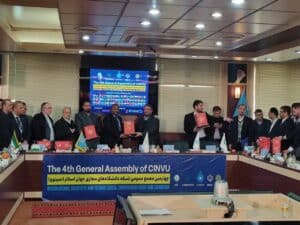
Gabon in the Spotlight: UNIVGA Re-elected to the Executive Board of CINVU
Partnership between UNIVGA GROUP and MIT Nabeul

The International Organization CINVU Will Provide Services to Gabonese University Students
 Certificate
Professional Certificate in Business Intelligence with Excel and Power BI
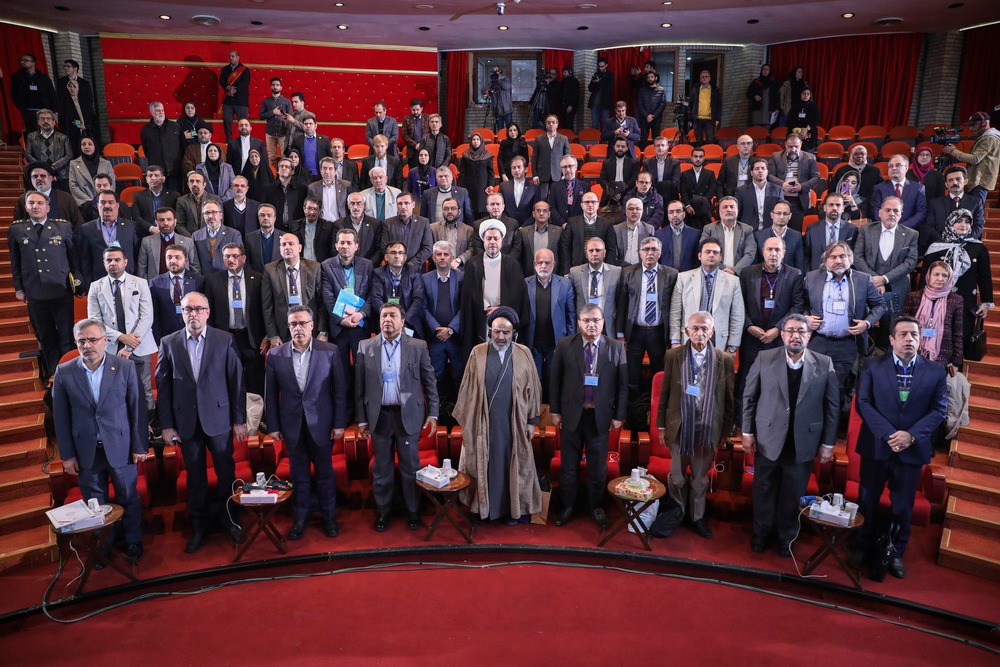
The Inter-Islamic Network COMSTECH on Virtual Universities (CINVU) organized its fourth general assembly, a landmark event that brought together presidents and delegates from higher education institutions in Islamic countries. This meeting was an opportunity to validate a set of structuring programs and redefine strategic orientations for the period 2025–2027.
A Resounding Assessment and Future Perspectives
At the opening of the session, a comprehensive report was presented on the initiatives and projects carried out between 2022 and 2024. This document, presented by the Secretary General, the Strategic Executive Vice President, and the head of the CINVU permanent secretariat, highlighted the successes achieved and the areas of cooperation developed with universities. Subsequently, the former president of the executive committee detailed the partnerships and collaborations that contributed to strengthening the network.
A Visionary Reorganization of the Executive Committee
At the heart of the discussions, participants addressed the establishment of the new executive committee for the term 2025–2027. The idea was to sustain the achievements while opening the door to new countries in observer status. In this context, the Allama Iqbal Open University of Pakistan was chosen to chair the committee. Alongside this appointment, several prestigious institutions joined the governing structure, including Asia e University (Malaysia), Najaf University, the Virtual University of Gabon (UNIVGA), Anadolu University (Turkey), Payame Noor University (Iran), Terbuka University (Indonesia), as well as COMSTECH and the Secretary General of CINVU. Institutions such as the Intelligent Medical University of Iran, the Open University of Bangladesh, the AJA Command and Staff University (Iran), Kuwait University, and the Islamic University of Uganda joined the committee as observers.
Innovative Initiatives and Support for Students
The assembly was also an opportunity to validate an ambitious biennial program accompanied by a dedicated budget for the period 2025–2027. This plan includes innovative strategies to finance projects, generate revenue, and create value for member universities, while providing essential support to less privileged institutions. In another aspect of the event, the University of Science and Industry organized the first artificial intelligence olympiad, while Payame Noor University took the initiative to orchestrate the first sports olympiad for universities of the Islamic world. Furthermore, concrete measures were adopted to award scholarships to students from disadvantaged regions, particularly to young Palestinians and Afghans.
Towards a Global Educational Transformation
The discussions also focused on large-scale projects for the future, such as the creation of the first international smart university (SuperUniversity), as well as the establishment of evaluation and accreditation frameworks for the quality of educational services and teachers (CEAQUALES and CEATQUALES). The approval of the super CINVU Plus academic application and the establishment of scientific production mechanisms in collaboration with medical and non-medical associations further strengthen the network's innovation vocation.
 The Commitment of the Virtual University of Gabon
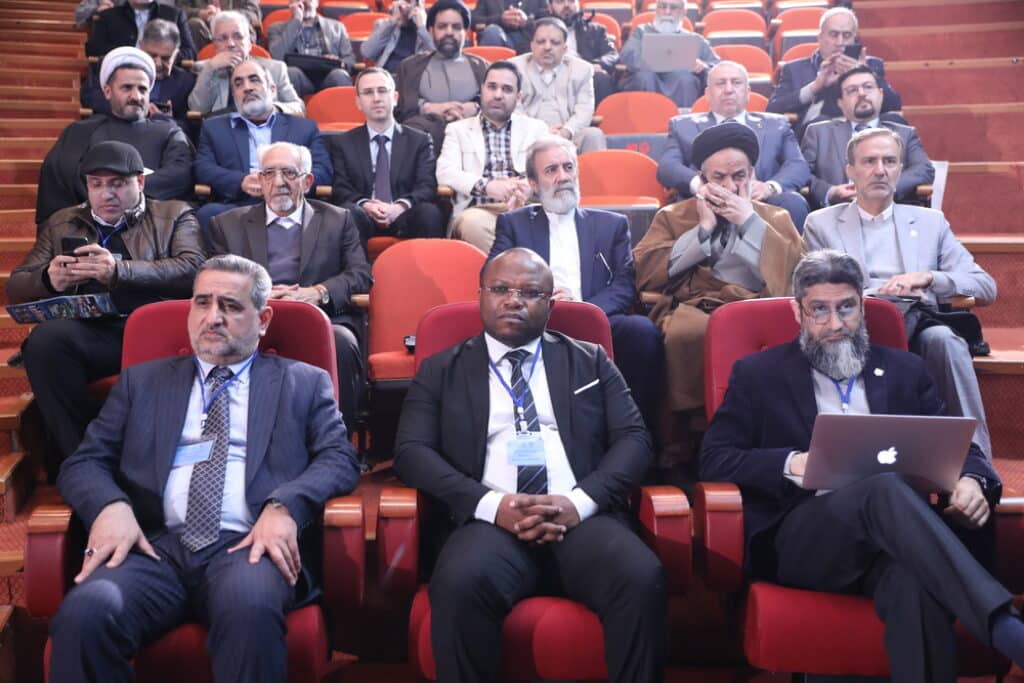
In this context of transformation, the Virtual University of Gabon (UNIVGA) stands out for its dynamism and active contribution. By joining the executive committee of CINVU, UNIVGA demonstrates its commitment to quality, accessible, and innovative online education. Its participation underscores the importance of knowledge sharing and international cooperation to address contemporary challenges in higher education. Through its initiatives and strategic partnerships, UNIVGA asserts itself as a key player in promoting modern and equitable education in the Islamic world.
Conclusion
The fourth general assembly of CINVU marked a strategic turning point for all member institutions, laying the groundwork for a future rich in innovative projects and strengthened partnerships. In this dynamic, the Virtual University of Gabon plays a driving role by actively contributing to the transformation of virtual education while promoting scientific and cultural exchanges within the network.





 French
  English