
Imagine a medical equipment supplier using internal software to manage its plans, contracts, and technical files. The customer service works, teams are productive, orders are dispatched. Yet, a discreet vulnerability allows criminals to copy sensitive documents without breaking the display.
Now imagine an industrial SME or a technical administration that thinks it has solved the problem because it applied an update. The fix is necessary, but it does not answer a crucial question: had someone already entered before the repair?
Recent articles

Offshore: Oxy and Valaris awarded, HSE AI must remain human

MOL solar and battery branch, the cost remains to be proven

Sustainable wood: AFi promotes traceability towards proof
 Certificate
Professional Certificate in Digitalization and Digital Tools for SMEs — Digitalization of SMEs
What is it, concretely?
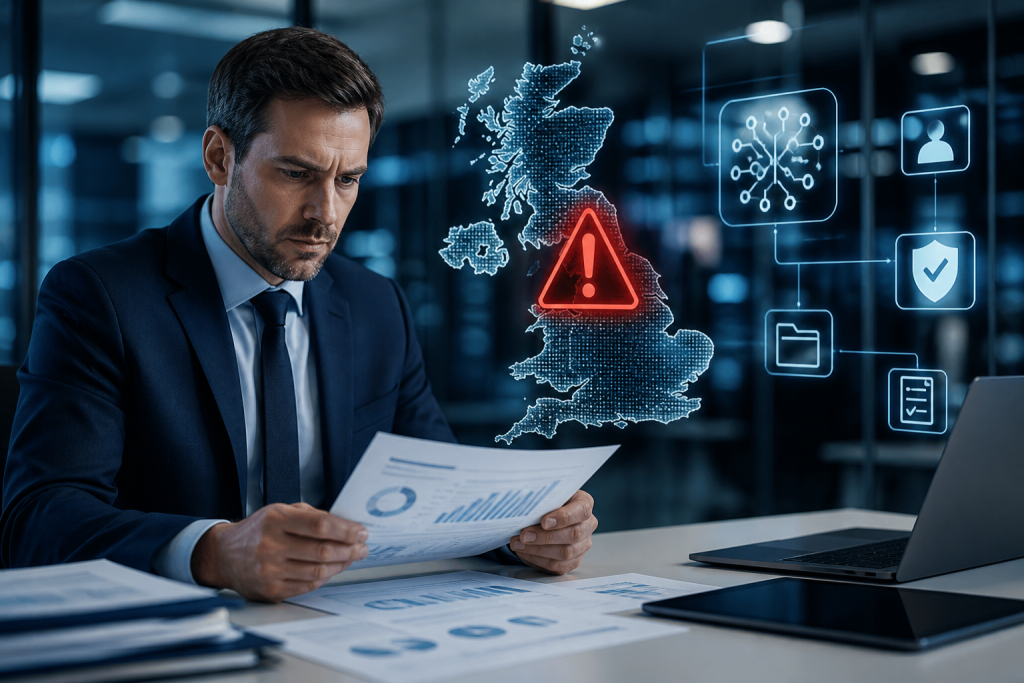
The subject concerns a critical vulnerability in PTC Windchill and PTC FlexPLM, two software used to manage the product lifecycle, that is, plans, versions, technical documents, and exchanges related to design. The vulnerability is tracked under CVE (Common Vulnerabilities and Exposures, public identifier of a vulnerability) 2026-12569. According to the NVD (National Vulnerability Database, U.S. database of vulnerabilities), it can allow an unauthorized person to execute actions remotely on an exposed server. In practice, an attacker may seek to enter, drop a hidden item, and then copy files. The good news: patches exist, provided they are applied quickly and an investigation is conducted afterward.
Concrete case: what to do and what not to do
Questions to Ask Before Acting
- Do we have a clear list of business software accessible from the Internet?
- Who receives security alerts from vendors, and how quickly are they addressed?
- After a critical update, do we also look for traces of a past intrusion?
- Are technical logs kept long enough to conduct a serious investigation?
- Who decides in case of extortion: general management, legal, IT, communication?
- Are sensitive data, such as plans, HR files, medical data, or client files, classified by level of criticality?
- Can we quickly prove if data has left the organization?
UNIVGA Viewpoint
Sources
- BleepingComputer, Philips and GE investigating Clop ransomware data theft claims
- NVD / NIST, CVE-2026-12569
- Computer Weekly, Multiple organisations investigating fresh wave of Cl0p breaches
- PTC Trust Center, Remote Code Execution Vulnerability in Windchill and FlexPLM
- Official Journal of the Gabonese Republic, law n°027/2023
- Official Journal of the Gabonese Republic, law n°025/2023


 French
  English