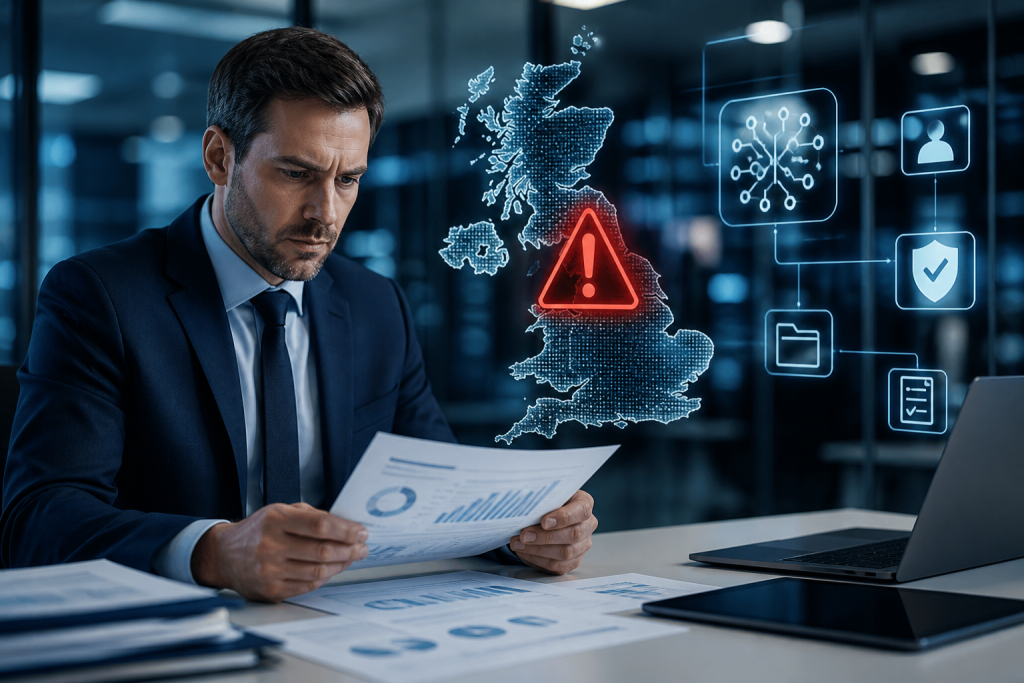
Imagine a ministry preparing to purchase connected reception robots to guide users at its counters. The devices speak multiple languages, recognize faces, and promise to reduce waiting times. The price is attractive. Then an alert comes in: the supplier's country is subject to security restrictions abroad.
The question is no longer just technical. Who sees the images? Where do the conversations go? Who can update, block, or modify these robots remotely? For a diplomat, a public buyer, or a university official, this type of decision becomes a strategic choice.
Recent articles

Offshore: Oxy and Valaris awarded, HSE AI must remain human
MOL solar and battery branch, the cost remains to be proven
Sustainable wood: AFi promotes traceability towards proof
 Certificate
Bachelor of Science (BSc) in Diplomacy & International Relations
What is it, concretely?
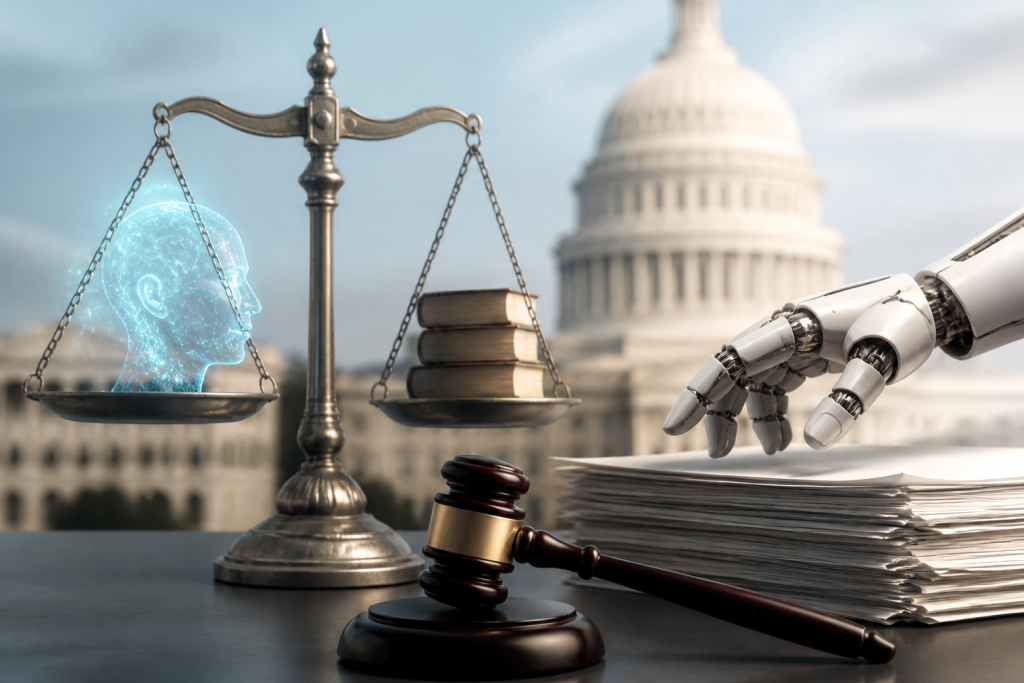
A connected robot is not just a machine that moves. It often contains cameras, microphones, sensors, software, sometimes artificial intelligence (systems capable of analyzing information and proposing responses), as well as a connection to online servers, often referred to as the cloud. The United States believes that certain foreign equipment can become gateways for collecting data, spying on sensitive locations, or disrupting services. The mechanism is simple: the object operates locally, but part of its control depends on the supplier. The main issue is therefore trust. The good news: with a solid purchasing method, risks can be significantly reduced.
Concrete case: what to do and what not to do
Questions to Ask Before Acting
- Does this technology collect images, sounds, conversations, or personal data?
- Where is the data stored, and what national law applies?
- Can the supplier deactivate, modify, or monitor the equipment remotely?
- Is there a local, African option or one relying on multiple suppliers?
- Does the contract provide for audit, reversibility, local maintenance, and data deletion?
- What happens to the equipment if a diplomatic crisis or sanction blocks the supplier?
- Has the organization consulted its legal, cyber, and data protection officers before the purchase?
UNIVGA Viewpoint
Sources
- Axios, Trump administration bans Chinese hardware with eye on AI race
- Associated Press, US bans foreign-made humanoid robots, targeting China
- Broadband Bulletin, FCC Covered List to Include Foreign Advanced Robotic Devices and Power Inverters
- TechRadar, First drones, now robot vacuums
- Official Journal of the Gabonese Republic, Law n°027/2023


 French
  English