License Plate Cameras: How to Monitor Without Excess?
License plate readers assist investigations and anti-poaching efforts, but require clear rules on data, access, and controls. Imagine a town hall installing cameras at the city entrances to spot stolen vehicles. The system seems useful. Then residents ask a simple question: who will be able to see our journeys, and for how long? Now imagine a campus…
The Editorial of the UNIVGA Review ·
Imagine a town hall installing cameras at the city entrances to spot stolen vehicles. The system seems useful. Then residents ask a simple question: who will see our journeys, and for how long?
Now imagine a campus that automates access to its parking lots. Officers save time, but discover that a license plate can reveal travel habits. For the police, water and forests, or national parks, the issue is the same: monitoring can help, provided it is proven that the use remains targeted.
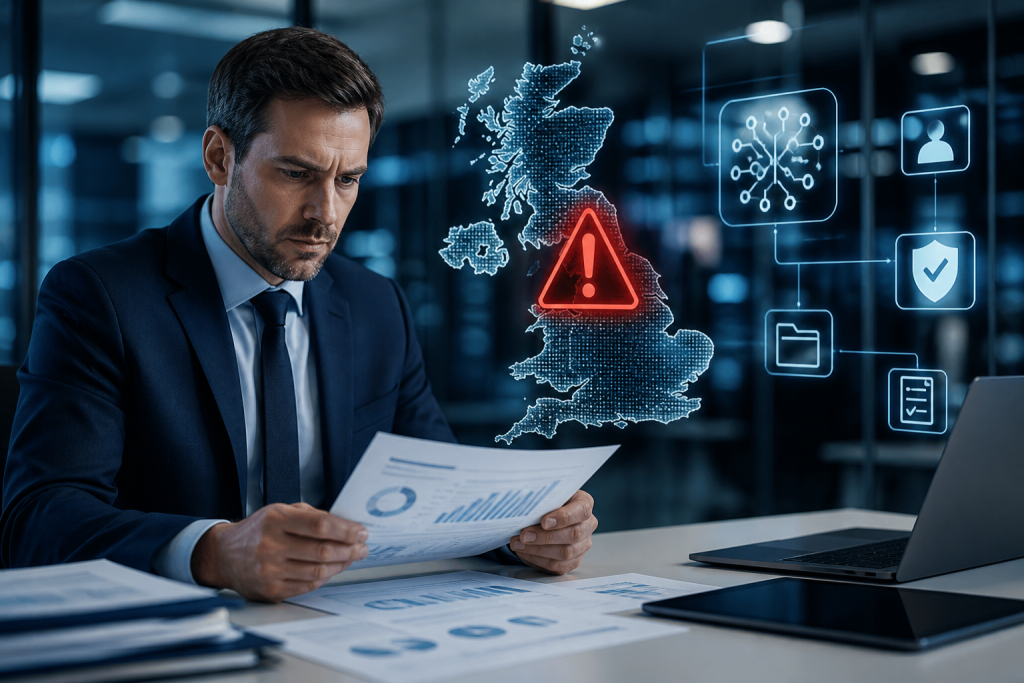
An Automated License Plate Reader (ALPR) works like a vehicle scan. A camera reads a plate, associates it with a time and a location, then software compares this information with lists useful for the investigation: stolen vehicle, warrant, missing person alert. An isolated line says little. Many lines, over several weeks, can reveal travel habits, just as a bank statement reveals expenses. The main issue is therefore the limit: using the tool for a specific mission, without turning every passage into general surveillance. Properly framed, this technology can assist officers without replacing their judgment.
Concrete case: what to do and what not to do
Questions to Ask Before Acting
Why do we want to use these cameras: investigation, security, anti-poaching, or traffic?
Does the system target specific locations and situations, or everyone all the time?
Who will be able to consult the data, with what level of authorization?
How long do we keep plates that are not linked to any investigation?
Will each search be linked to a file, a reason, and an identified agent?
What does the procedure provide in case of reading errors or misidentification?
Will a hierarchical or external audit be organized regularly?
By clicking on "Accept All", you authorize the placement of cookies to facilitate navigation, measure audience, and provide you with information about our training programs. Privacy policy
UNIVGA Group
Set cookies
Necessary cookies remain active. Other categories are optional. Learn more
NecessarySession, security, connection.
PreferencesLanguage and display.
AudienceVisitor statistics.
ProspectingInformation about our training programs.
We detected that you may prefer English. Would you like to switch?







 French
  English