Recent articles

Gabon in the Spotlight: UNIVGA Re-elected to the Executive Board of CINVU

The Fourth General Assembly of CINVU

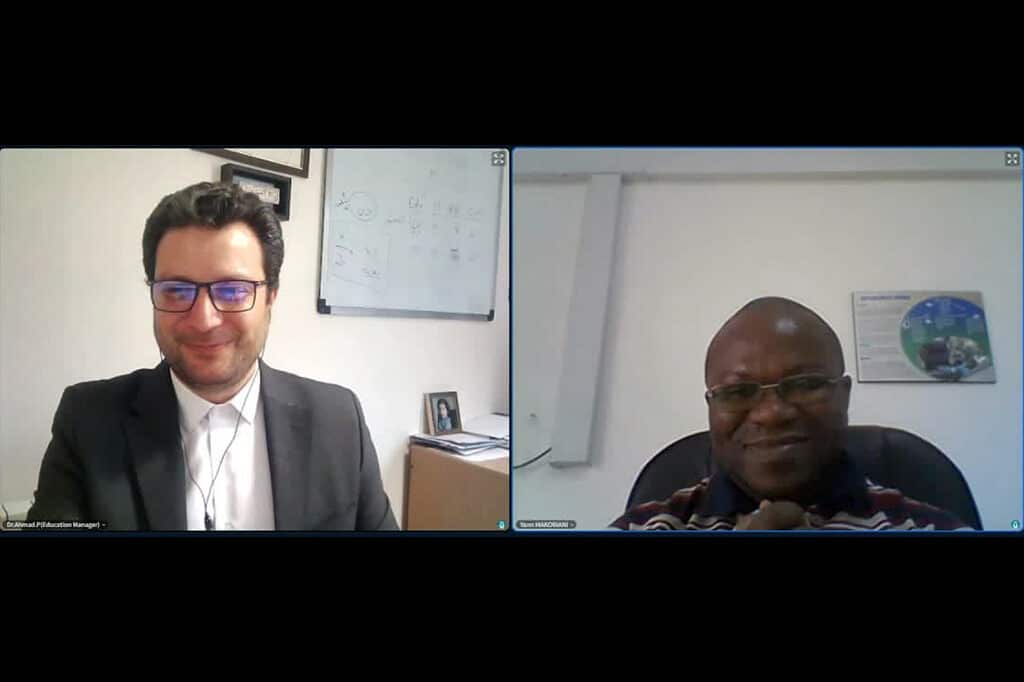
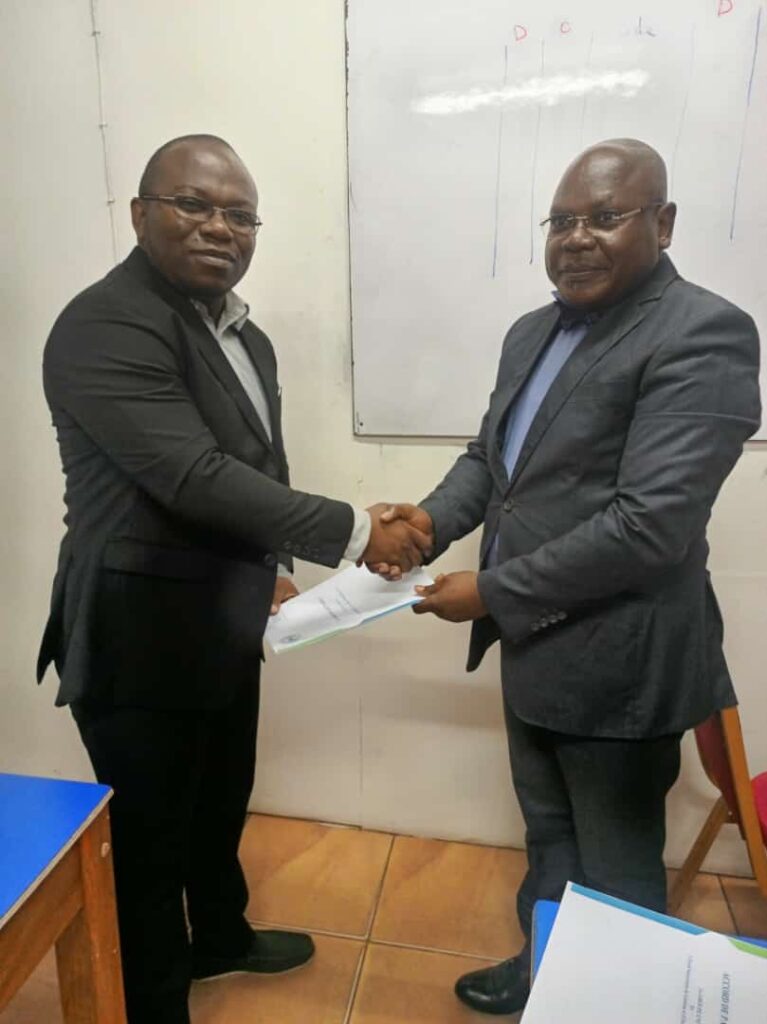
Partnership between UNIVGA GROUP and MIT Nabeul
 Certificate
Professional Certificate in Business Intelligence with Excel and Power BI
Description of the Modeling and Simulation Engineer Profession:
A modeling and simulation engineer is a professional specialized in creating computer models and simulating complex systems and processes. Their role is to develop mathematical and computational models to represent real-world phenomena, and then use these models to simulate and analyze the behavior of systems in various fields such as aerospace, engineering, health, finance, and many others. Here are the main responsibilities of a modeling and simulation engineer:
- Model design : They create mathematical and computational models to represent complex systems and processes.
- Simulation development : Modeling and simulation engineers design and develop computer simulations using specialized software.
- Result analysis : They run simulations, analyze results, and extract relevant information for decision-making.
- System Optimization : They use modeling and simulation to optimize existing systems and design new systems.
- Model validation : Engineers verify the validity of models by comparing them to real data and adjusting them as necessary.
- Interdisciplinary collaboration : They often work closely with experts from other fields to solve complex problems.
Job Opportunities:
The profession of modeling and simulation engineer offers numerous career opportunities in various sectors, including:
- Aerospace and Defense Aerospace and defense companies use modeling and simulation to design, test, and optimize aircraft, military vehicles, and space systems.
- Engineering and manufacturing Engineering and manufacturing companies employ modeling and simulation engineers to design and improve products and manufacturing processes.
- Health and Life Sciences In the healthcare field, modeling and simulation are used for medical research, disease modeling, and treatment planning.
- Finance Financial institutions use modeling and simulation to assess financial risks, develop forecasting models, and optimize financial operations.
- Research and development Research and development institutions employ modeling and simulation engineers for various projects, from fundamental research to technological innovation.
Advantages:
The profession of modeling and simulation engineer has many advantages, including:
- Solutions to complex problems Modeling and simulation engineers are often sought after to solve complex problems and provide innovative solutions.
- Research opportunities They may be involved in cutting-edge research projects, thus contributing to the advancement of knowledge.
- Competitive compensation Modeling and simulation professionals generally enjoy attractive salaries due to their specialized expertise.
- Versatility Skills in modeling and simulation are transferable to many fields, offering great versatility in their careers.
- Intellectual challenges They face challenging mathematical and computational problems, providing opportunities for skill development.
As a modeling and simulation engineer, you will play a crucial role in solving complex problems, optimizing systems, and developing innovative solutions. Your expertise in modeling and simulation will contribute to the advancement of science and technology in various fields.



 French
  English